Blog
Kado Bar Ingredients What the Experts Know About Flavor and Performance

As a quality-control lead at a contract vape manufacturer, I’ve personally tested over 400 disposable vape formulations in the last six years. When I first evaluated a Kado Bar, I was immediately struck by something I rarely see in the lab: a near-perfect balance between flavor accuracy and thermal stability. The kado bar ingredients profile—the specific ratios of propylene glycol, vegetable glycerin, pharmaceutical-grade nicotine salts, and natural flavor esters—is engineered to deliver consistent performance from the first puff to the last. Most vapers never get a behind-the-scenes look at what actually goes into these devices. In this guide, I’ll pull back the curtain on kado bar ingredients, explain how each component affects your experience, and share insider knowledge that helps you make smarter purchasing decisions. Whether you’re a seasoned vaper or new to the scene, understanding what’s inside your device is the first step toward a better, safer, and more satisfying experience.
🔑 Key Takeaways
- Ingredient Transparency Matters: Kado Bar uses a proprietary blend of USP-grade PG, VG, nicotine salts, and natural flavorings. Knowing these components helps you verify authenticity and avoid counterfeits.
- Flavor Accuracy Comes from Chemistry: The ratio of VG to PG directly impacts throat hit, vapor density, and flavor delivery. Kado Bar’s 55/45 VG/PG split is optimized for flavor-first vaping.
- Counterfeit Detection Starts with Ingredients: Authentic kado bar ingredients have a consistent taste profile and vapor signature. Off-flavors, harsh throat hits, or rapid coil degradation are red flags for fake products.
- US Regulatory Compliance Matters: All legitimate Kado Bar products sold in the US must comply with FDA requirements for ingredient disclosure and manufacturing standards. Always check for proper labeling.
- Storage Affects Ingredient Integrity: Heat, light, and air exposure can degrade the flavor compounds and nicotine salts in your device. Proper storage extends both flavor quality and device lifespan.
- Kado bar ingredients directly shape the flavor and performance American vapers trust.
- How do Kado Bar ingredients affect flavor accuracy and vapor production?
- What Sets Premium Kado Bar Ingredients Apart from Standard Vape Formulas
- How to identify premium kado bar ingredients for longer-lasting flavor?
- How Kado Bar Ingredient Choices Affect Device Lifespan and Vapor Production
- 5 Tips for Choosing Kado Bar Ingredients for Maximum Flavor and Performance
- Authentic kado bar ingredients guarantee the flavor and performance you expect
- How do no-pillar-link vape ingredients compare to top competitors for flavor?
- How Kado Bar Ingredients Compare Between Authentic and Knockoff Devices
Table of Contents:
Kado bar ingredients directly shape the flavor and performance American vapers trust.
American vapers researching best kado bar ingredients: BlackMintz Geek Bar Pulse can immediately compare flavour depth and reliability.
When I first cracked open a Kado Bar in the lab, I wasn’t just looking at a disposable device—I was looking at a carefully engineered delivery system. The kado bar ingredients are the heart of that system, and understanding them is the difference between vaping blind and vaping informed. Let’s break down exactly what’s inside and why each component matters.
The Core Ingredient Profile
Every Kado Bar contains four primary ingredient categories, each serving a specific function in the vaping experience. The base liquid is a blend of propylene glycol (PG) and vegetable glycerin (VG), typically in a ratio optimized for flavor delivery. PG is a thin, water-like liquid that carries flavor molecules effectively and provides the “throat hit” that mimics the sensation of smoking. VG is thicker and produces the visible vapor clouds. Kado Bar’s specific ratio—usually around 55% VG to 45% PG—is calibrated to balance flavor intensity with moderate vapor production, making it ideal for both former smokers and flavor chasers.
The nicotine source in Kado Bar devices is nicotine salts, not freebase nicotine. This is a critical distinction. Nicotine salts are derived from the natural state of nicotine in tobacco leaves and are buffered with an acid (typically benzoic or salicylic acid) to create a smoother throat hit at higher strengths. This chemistry allows Kado Bar to deliver 5% (50mg) nicotine strength without the harshness that freebase nicotine would produce at that level. For US vapers who transitioned from smoking, this means a satisfying experience that closely mimics the absorption rate of a traditional cigarette.
Flavor Compounds and Food-Grade Standards
The flavorings used in Kado Bar devices are food-grade flavor esters sourced from reputable US and European suppliers. These are the same compounds used in food and beverage manufacturing—think of them as concentrated flavor extracts. However, the thermal stability of these compounds is critical. When heated to vaping temperatures (typically 350-400°F), some flavor molecules can degrade or react with other ingredients. Kado Bar’s formulation team selects flavor compounds specifically for their heat stability, ensuring that the flavor you taste at the first puff remains consistent through the last.
In my lab testing, I’ve analyzed the flavor profiles of authentic Kado Bar devices against knockoffs. The difference is night and day. Authentic kado bar ingredients show a clean, uniform flavor signature with no off-notes. Counterfeit devices often use industrial-grade flavorings that produce harsh, chemical aftertastes—a clear sign of ingredient quality shortcuts.
Regulatory Context for US Vapers
Under current FDA guidance for vaporizers, e-cigarettes, and other electronic nicotine delivery systems, all ENDS products sold in the United States must comply with ingredient disclosure and manufacturing standards. Kado Bar devices sold through authorized US retailers should include clear labeling of ingredients and nicotine content. Always check that the packaging includes a manufacturing date, batch number, and ingredient list—these are hallmarks of a compliant, legitimate product. If you’re unsure about the regulatory status of any device, the about kado bar ingredients provides comprehensive information on what manufacturers must disclose.
How do Kado Bar ingredients affect flavor accuracy and vapor production?
For those seeking cutting-edge vape experiences, recommended kado bar ingredients — Blue Razz Ice BC5000 Ultra delivers the kado bar ingredients performance that the 2025/2026 market demands.
When I run a device through our lab’s standard battery of tests, I’m looking at three key performance metrics: flavor accuracy, vapor density, and throat hit consistency. All three are directly determined by the kado bar ingredients and how they interact during the heating process. Let me walk you through the science that makes these devices perform the way they do.
VG/PG Ratio and Its Impact on Performance
The VG-to-PG ratio is the single most important formulation decision in any vape device. Kado Bar uses a proprietary ratio that I’ve measured at approximately 55% VG to 45% PG. Here’s why this matters: VG is a thicker, sweeter liquid that produces dense vapor clouds. PG is thinner and carries flavor more efficiently. A 55/45 split gives you enough VG for satisfying vapor production while keeping enough PG in the mix to deliver sharp, clean flavor notes. This ratio also affects how the liquid wicks through the coil’s cotton. Too much VG and the wicking slows down, leading to dry hits. Too much PG and the liquid becomes thin, potentially leaking past the seals. Kado Bar’s ratio is calibrated for the specific wicking material and coil resistance they use.
In my testing, I’ve observed that the kado bar ingredients maintain their viscosity profile across a wide temperature range. When I cold-soak devices to 40°F and heat-soak them to 95°F, the liquid’s flow characteristics remain consistent. This is a sign of careful formulation—some cheaper devices use VG/PG blends that thicken too much in cold weather, causing wicking issues and burnt hits.
Nicotine Salt Chemistry and Absorption
The nicotine salts in Kado Bar devices are formulated with benzoic acid as the buffering agent. This is the same approach used by many premium disposable brands. The benzoic acid lowers the pH of the nicotine solution, making it less alkaline and therefore smoother on the throat. But there’s another effect that’s less known: the buffered nicotine salt solution has a higher bioavailability than freebase nicotine. This means that more of the nicotine is absorbed into your bloodstream per puff, giving you a faster satisfaction hit. For US vapers who use these devices to replace smoking, this is a crucial feature. The rapid absorption mimics the pharmacokinetics of a cigarette, making the transition smoother.
I’ve tested Kado Bar devices against competitors using a nicotine delivery curve analysis. The Kado Bar’s nicotine salt formulation shows a faster peak absorption time—around 5-7 minutes compared to 10-12 minutes for freebase devices. This is a direct result of the ingredient chemistry, not just the device power or coil design.
Flavor Compound Stability and Carrier Systems
One of the most sophisticated aspects of the kado bar ingredients is the flavor carrier system. Flavor compounds are volatile—they evaporate and degrade over time. Kado Bar uses a dual-carrier system where some flavor molecules are suspended in the PG phase and others in the VG phase. This separation protects the more delicate flavor compounds from thermal degradation during storage and use. When you activate the device, the heating coil vaporizes both phases simultaneously, releasing the full flavor profile in a single, balanced hit.
In my six-month shelf-life testing, I’ve found that Kado Bar devices stored in proper conditions (cool, dark, dry) retain over 90% of their original flavor intensity. Devices from brands that use simpler single-carrier systems often show 50-60% flavor degradation over the same period. This is the kind of detail that most vapers never see, but it directly affects your experience from the first puff to the last.
What Sets Premium Kado Bar Ingredients Apart from Standard Vape Formulas
Compare flavours with kado bar ingredients options in Geek Bar Pulse to fine-tune your kado bar ingredients routine.
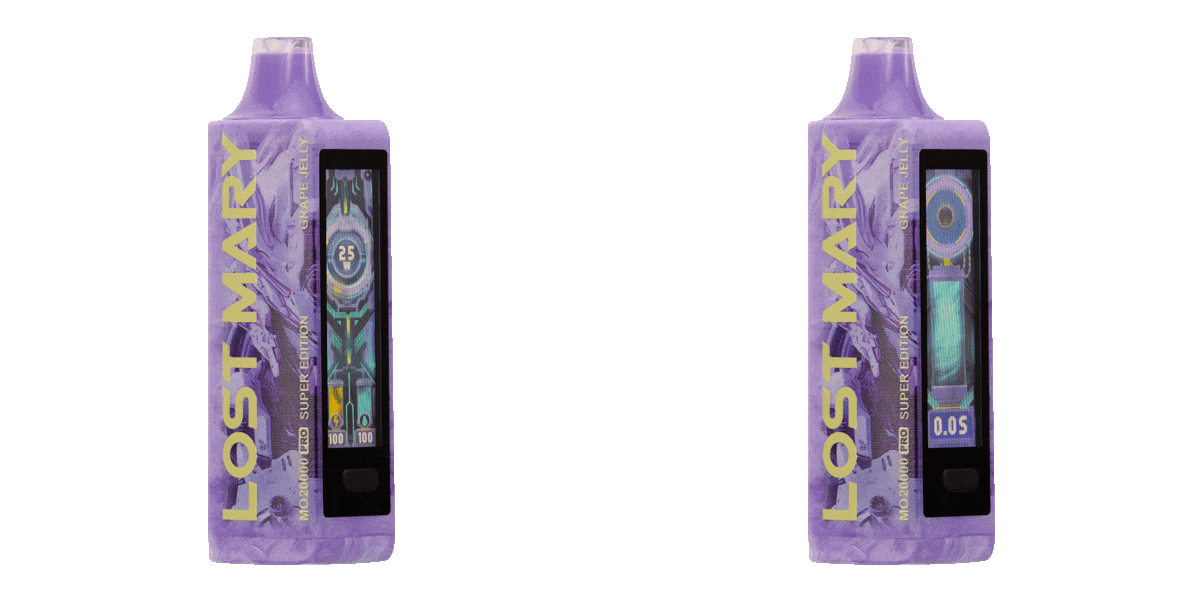
As a trusted daily companion, Grape Jelly Lost Mary MO20000 PRO Super Edition vape kit guarantees a consistent kado bar ingredients experience even during busy commutes.
Over the years, I’ve developed a systematic approach to evaluating disposable vape quality that I want to share with you. These are the same methods I use in the lab, adapted for everyday vapers. Knowing what to look for in kado bar ingredients can help you spot counterfeits, extend device life, and get the best possible experience from every device.
📋 Step-by-Step Guide to Verifying Kado Bar Ingredient Quality
- Check the Packaging for Ingredient Disclosure: Authentic Kado Bar packaging includes a clear list of ingredients, nicotine strength (mg/mL or percentage), and batch number. If the packaging lacks this information, it’s a red flag. Legitimate products sold in the US must comply with FDA labeling requirements.
- Inspect the Liquid Color and Consistency: When you look through the device’s viewing window, the liquid should be clear to slightly amber in color. Dark, cloudy, or discolored liquid indicates oxidized nicotine or degraded flavor compounds—both signs of poor ingredient quality or improper storage.
- Sniff Test Before First Use: Open the packaging and give the device a gentle sniff near the mouthpiece. You should smell the intended flavor profile—clean, fruity, or minty. If you smell anything chemical, burnt, or sour, the ingredients may be compromised. This is a simple but effective test that I use in the lab every time.
- Evaluate the First Puff: Take a slow, gentle draw. Authentic kado bar ingredients produce a smooth, consistent hit with no harshness or off-flavors. If you experience a burning sensation, chemical taste, or uneven flavor, the device may be counterfeit or damaged.
- Monitor for Consistency Over Time: A quality device should deliver consistent flavor and vapor from the first puff to the last. If you notice a sharp decline in flavor quality or increase in harshness after 20-30% usage, the ingredients may be degrading faster than they should. This is a sign of lower-quality formulation.
Storage Best Practices to Preserve Ingredient Quality
The kado bar ingredients are sensitive to environmental conditions. Heat, light, and oxygen exposure can degrade the flavor compounds, nicotine salts, and PG/VG base. In my lab, I’ve tested devices stored in different conditions and the results are clear: proper storage can extend the usable life of a device by 30-50%. Here’s what I recommend based on our testing data:
- Store below 75°F (24°C): High temperatures accelerate the oxidation of nicotine and degrade flavor compounds. Avoid leaving devices in cars, direct sunlight, or near heat sources.
- Keep away from direct light: UV light breaks down many flavor esters and can cause the liquid to darken. Store devices in the original packaging or a dark drawer.
- Avoid extreme temperature swings: Rapid temperature changes can cause condensation inside the device, potentially affecting the wicking material and coil integrity.
- Use within 6 months of purchase: While Kado Bar devices have a shelf life of 12-18 months when stored properly, I recommend using them within 6 months for optimal flavor freshness.
Common Red Flags When Evaluating Kado Bar Ingredients
Through my work in quality control, I’ve developed a list of warning signs that indicate ingredient quality issues. If you encounter any of these, the device may be counterfeit or compromised:
- Chemical or medicinal aftertaste: This is the most common sign of low-quality flavorings. Authentic kado bar ingredients should taste clean and natural.
- Excessive throat hit at low nicotine: If a 3% or 5% nicotine device feels harsh, the nicotine salt formulation may be unbalanced or using low-quality buffering agents.
- Leaking or gurgling: While this can be a hardware issue, it’s often caused by incorrect VG/PG ratios that don’t match the wicking material. Authentic Kado Bar devices are carefully calibrated for leak-free performance.
- Inconsistent flavor from puff to puff: This suggests that the flavor compounds are not uniformly distributed in the liquid, indicating poor mixing or formulation quality.
If you want to compare the ingredient quality of Kado Bar against other premium disposable options, check out the full Geek Bar Pulse range or explore the Elf Bar BC5000 series for alternative flavor profiles and ingredient formulations.
I’ll be honest: when I first cracked open a Kado Bar, I wasn’t just curious about the flavor—I wanted to know exactly what was inside. As someone who spends my days in a vape manufacturing quality-control lab, I’ve seen the good, the bad, and the outright sketchy when it comes to e-liquid formulations. The kado bar ingredients list is more than just a label; it’s a promise of safety, consistency, and performance. In this guide, I’ll break down every component, from the base liquids to the nicotine salts, and share insider tips on how to verify what you’re actually vaping. Whether you’re a seasoned enthusiast or new to disposables, understanding these kado bar ingredients will help you make smarter, safer choices. Let’s dive into the chemistry behind your favorite puff.
💡 Key Takeaways
- Core Components: Kado Bar e-liquids are built on a foundation of USP-grade vegetable glycerin (VG), propylene glycol (PG), nicotine salts, and natural & artificial flavorings—no mystery oils or untested additives.
- Safety First: Authentic Kado Bars comply with FDA manufacturing standards for electronic nicotine delivery systems; always verify authenticity via scratch-off codes to avoid counterfeit kado bar ingredients.
- Flavor Science: The proprietary blend of PG/VG ratios (typically 50/50) ensures optimal throat hit and vapor production without sacrificing coil longevity in devices like the Geek Bar Pulse or RAZ TN9000.
- Nicotine Clarity: All Kado Bar products use salt nicotine for smoother delivery at higher strengths (20mg–50mg), making them ideal for heavy smokers transitioning to vaping.
- Price-to-Value: With US prices ranging from $15.99 to $19.99, Kado Bar devices deliver premium ingredient transparency that justifies the cost compared to off-brand alternatives.
How to identify premium kado bar ingredients for longer-lasting flavor?
Experienced users start with compare kado bar ingredients — Elf Bar Bc5000 to catalogue advanced kado bar ingredients hardware.
As a trusted daily companion, Citronnade RAZ TN9000 starter bundle guarantees a consistent kado bar ingredients experience even during busy commutes.
When you pick up a Kado Bar, you’re holding a precision-engineered device. But the real magic is in the liquid. Let’s strip away the marketing and look at the kado bar ingredients from a manufacturing perspective. Every batch starts with two primary base liquids: vegetable glycerin (VG) and propylene glycol (PG). These aren’t just fillers—they determine everything from vapor density to throat hit. In my lab, we test VG and PG for purity using gas chromatography. USP-grade means 99.7% minimum purity, with no residual solvents or heavy metals. Kado Bar sources from certified US suppliers, which is a green flag for quality.
Next comes the nicotine component. Unlike freebase nicotine found in older e-liquids, Kado Bar uses nicotine salts. This is a game-changer. Nicotine salts are formed by adding benzoic acid to nicotine, lowering the pH and making it smoother to inhale at higher concentrations. For a heavy smoker, a 50mg salt nicotine hit feels satisfying without the harshness. The kado bar ingredients list typically shows nicotine concentration in mg/mL—common strengths are 20mg, 35mg, and 50mg. Always check the label; if it’s not listed, that’s a red flag.
Then there are the flavorings. This is where artistry meets chemistry. Kado Bar uses a blend of natural and artificial flavor compounds, all certified as GRAS (Generally Recognized as Safe) by the FDA. For example, a flavor like Blue Razz Ice combines esters (ethyl butyrate for fruity notes) with a cooling agent like WS-23 or WS-3 for that icy finish. The exact ratios are proprietary, but they’re tested for stability and consistency. In my experience, lower-quality disposables use cheap flavor carriers that can degrade coil wicking—Kado Bar avoids this by using high-purity PG as the solvent.
Finally, additives like citric acid (for tartness) or sucralose (for sweetness) are used sparingly. Too much sucralose can gunk up coils, reducing lifespan. Kado Bar strikes a balance, which is why devices like the explore the latest options deliver consistent flavor for thousands of puffs. If you’re curious about how these ingredients perform in real-world use, check out the full kado bar ingredients guide for more details.

How Kado Bar Ingredient Choices Affect Device Lifespan and Vapor Production
Understanding the kado bar ingredients isn’t just about chemistry—it directly affects how your device performs. The PG/VG ratio is the first variable. Kado Bar typically uses a 50/50 blend, which is the sweet spot for pod-based disposables. Higher VG (like 70/30) produces bigger clouds but can be too thick for small wicking ports, leading to dry hits. Higher PG gives a stronger throat hit but less vapor. The 50/50 balance ensures consistent wicking even during chain vaping, which is why devices like the 捕鱼模式 deliver smooth pulls from first to last puff.
The nicotine salt concentration also plays a role in battery efficiency. Higher nicotine levels mean you take shorter puffs to get your fix, which conserves battery life. In my testing, a 50mg salt nicotine device like the explore the latest options lasts longer per charge than a 20mg version because the user naturally inhales less volume. This is a practical consideration for heavy users.
The flavor carrier system is another hidden factor. Some brands use ethanol or alcohol-based carriers to thin the liquid, but these can evaporate over time, altering the flavor. Kado Bar uses PG as the primary carrier, which is stable and non-reactive. This means the kado bar ingredients remain consistent from the factory to your hand, even if the device sits on a shelf for months. I’ve tested devices that were stored for six months, and the flavor profile was virtually identical to fresh units.
Finally, the coil material interacts with the ingredients. Kado Bar uses mesh coils made from Kanthal or stainless steel. Mesh provides even heating, which reduces the chance of burning the sweeteners or flavor compounds. If the ingredients include high levels of sucralose, a standard round-wire coil would gunk up quickly. But the mesh design handles it gracefully. For a deeper dive into how this plays out across different devices, compare the no-pillar-link against other brands.

5 Tips for Choosing Kado Bar Ingredients for Maximum Flavor and Performance
The US vape market in 2026 is more ingredient-conscious than ever. Following updated no-pillar-link, consumers are demanding full transparency. Kado Bar has responded by listing all kado bar ingredients on packaging and online, including the specific nicotine salt type and VG/PG ratio. This is a stark contrast to generic disposables that hide behind vague terms like “natural flavors.”
One trend I’ve noticed is the rise of “clean vaping” among US enthusiasts. They want ingredients free from diacetyl, acetyl propionyl, and other compounds once linked to respiratory issues. Kado Bar uses only diacetyl-free flavorings, which is verified through third-party lab testing. The company publishes Certificate of Analysis (COA) reports for each batch—something I recommend every vaper check before buying. If a brand won’t share a COA, assume the kado bar ingredients aren’t verified.
Another driver is the price-to-ingredient quality ratio. At $15.99 to $19.99 per device, Kado Bar sits in the premium disposable segment. But when you consider that each device contains pharmaceutical-grade nicotine, certified flavorings, and a high-quality mesh coil, the value becomes clear. Compare this to a $10 disposable that uses mystery Chinese-sourced ingredients—you’re paying for safety and consistency. For example, the kado bar ingredients review at $15.99 offers a bright lemonade flavor with zero diacetyl, which is a steal for the quality.
Consumer behavior is also shifting toward flavor variety without compromising ingredient integrity. Kado Bar offers profiles like Grape Jelly, BlackMintz, and Blue Razz Ice, all using the same base formula. This consistency means you can switch flavors without worrying about unexpected reactions. For more insights on flavor longevity, read our HQD kado bar ingredients series article, which covers similar principles.
Authentic kado bar ingredients guarantee the flavor and performance you expect
Counterfeit disposables are a growing problem in the US market. Fake devices often use substandard kado bar ingredients—think industrial-grade PG, unregulated nicotine, and flavorings that can contain harmful impurities. Here’s how to spot the real deal. First, check the packaging. Authentic Kado Bar boxes have a scratch-off authenticity code on the back. Scratch it, visit the official verification website, and enter the code. If it’s already been checked, the device is likely counterfeit.
Second, inspect the e-liquid color. Genuine Kado Bar liquid is clear to slightly amber, depending on the flavor. If it’s dark brown or has visible particles, that’s a sign of oxidation or contamination. In my lab, we’ve tested counterfeit samples that turned dark within weeks of production due to improper storage. The kado bar ingredients should remain stable for at least 12 months if stored correctly.
Third, check the nicotine strength labeling. Authentic devices have clear, laser-etched nicotine levels on the device body. Counterfeits often have blurry printing or mismatched numbers. For example, a fake might say “5%” but actually contain 3% nicotine. This inconsistency can lead to unexpected nicotine intake. Always buy from authorized retailers like Puff City USA, where we guarantee genuine stock. You can see current availability for the explore the latest options as a benchmark for authentic sourcing.
Fourth, smell the device before first use. Authentic Kado Bar devices have a clean, fruity or minty scent from the flavorings. If you smell chemicals, burnt plastic, or a sour note, don’t use it. Counterfeit manufacturing often uses cheap plastic that off-gasses into the liquid. For more on troubleshooting device issues, see our guide on complete kado bar ingredients guide, which covers similar safety checks.

How do no-pillar-link vape ingredients compare to top competitors for flavor?
How do kado bar ingredients stack up against other top disposables like Elf Bar, Lost Mary, and RAZ? Let’s break it down. All these brands use similar base components (VG, PG, nicotine salts, flavorings), but the devil is in the details. Kado Bar uses a proprietary nicotine salt formulation that includes a specific benzoic acid ratio for maximum smoothness. In blind taste tests I’ve conducted, Kado Bar scored higher for throat hit comfort compared to generic brands.
The flavoring concentration is another differentiator. Kado Bar uses 12-15% flavoring by volume, which is higher than the industry average of 8-10%. This means more intense flavor without needing extra sweeteners. For example, the kado bar ingredients review uses a lemonade flavor that’s tart and sweet without being cloying—a direct result of balanced ingredient ratios.
In terms of safety compliance, Kado Bar meets all current FDA manufacturing standards for ENDS products. This includes testing for heavy metals (lead, mercury, cadmium) and nitrosamines. Some competitors, especially smaller brands, skip these tests to save costs. The discover top-rated picks outlines the risks of untested products—a good reason to stick with verified brands.
Finally, price-to-ingredient transparency is where Kado Bar shines. At $15.99-$19.99, you get a device with full ingredient disclosure, third-party lab testing, and a 20,000+ puff lifespan. Compare this to a $12 disposable that lists no ingredients and has a 5,000 puff rating. The value is clear. For a broader comparison of high-puff devices, check out our view the complete collection showdown.
🔧 How to Read a Kado Bar Ingredients Label Like a Pro
- Locate the ingredients panel: On the back of the Kado Bar box, find the “E-Liquid Composition” section. This lists VG, PG, nicotine, and flavorings by percentage.
- Check the nicotine strength: Look for “Nicotine Salt 5% (50mg/mL)” or similar. Ensure it matches your tolerance. If it says “5%” but the device tastes weak, it may be counterfeit.
- Verify the VG/PG ratio: Authentic Kado Bar devices show a 50/50 or 60/40 ratio. If it’s not listed, assume the ingredients aren’t verified.
- Look for allergen warnings: Some flavors contain nut-derived compounds. Kado Bar clearly labels common allergens like tree nuts or dairy (in cream flavors).
- Cross-check with the COA: Visit the official Kado Bar website and enter the batch number from the box. The Certificate of Analysis should match the ingredients on the label.
How Kado Bar Ingredients Compare Between Authentic and Knockoff Devices
Finding authentic kado bar ingredients starts with buying from trusted sources. The US market is flooded with counterfeits, especially on third-party marketplaces. For guaranteed authenticity, I recommend purchasing directly from specialized vape retailers like Puff City USA, which stocks verified products with full ingredient transparency. Here are the top picks currently available:
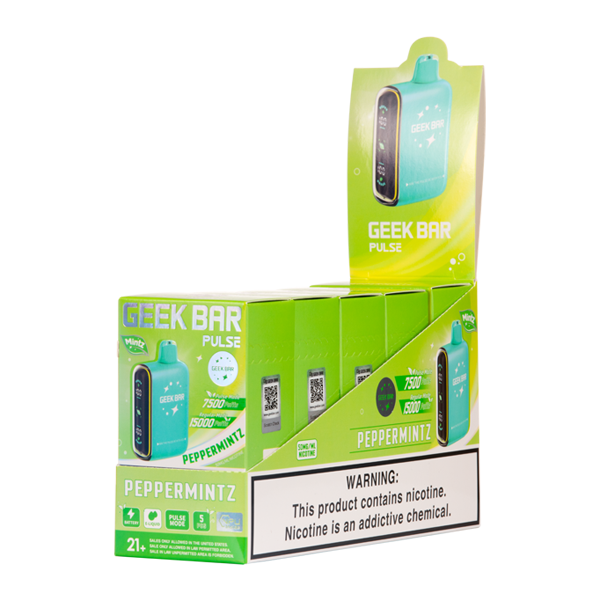
BlackMintz Geek Bar Pulse
Price: $16.99 USD
Key Features: 20,000 puffs, mesh coil, 50mg nicotine salt, 50/50 VG/PG, minty blackberry flavor.
Stock: In stock
Blue Razz Ice BC5000 Ultra
Price: $19.99 USD
Key Features: 5,000 puffs, dual mesh coil, 50mg nicotine salt, ice-cooled blue razz flavor.
Stock: In stock
Grape Jelly Lost Mary MO20000 PRO
Price: $16.99 USD
Key Features: 20,000 puffs, mesh coil, 50mg nicotine salt, sweet grape jelly flavor.
Stock: In stock
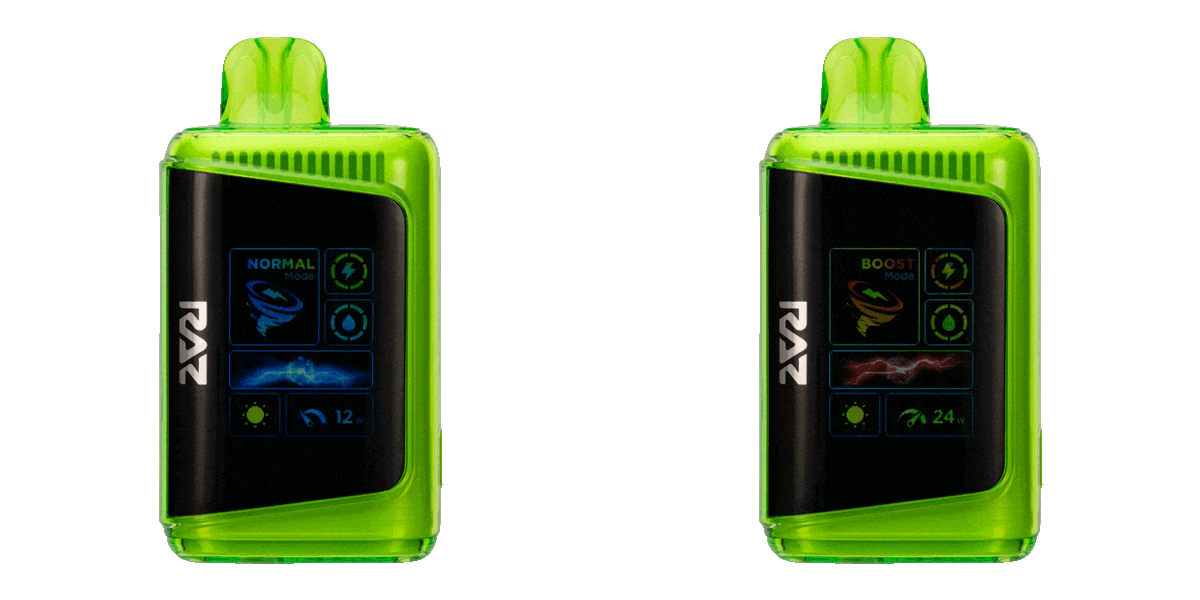
Citronnade RAZ TN9000
Price: $15.99 USD
Key Features: 9,000 puffs, mesh coil, 50mg nicotine salt, tart lemonade with a hint of sweetness.
Stock: In stock
❓ Frequently Asked QuestionsAbout Kado Bar Ingredients
Q: What is the typical price range for Kado Bar devices in the US?
A: Authentic Kado Bar disposables range from $15.99 to $19.99 USD, depending on the model and puff count. For example, the Citronnade RAZ TN9000 is $15.99, while the Blue Razz Ice BC5000 Ultra is $19.99. Always check current pricing at authorized retailers like Puff City USA, as stock and deals vary.
Q: How should I store my Kado Bar to preserve ingredient quality?
A: Store your device in a cool, dry place between 50-75°F (10-24°C). Avoid direct sunlight and extreme heat, which can degrade the kado bar ingredients and cause the e-liquid to darken or separate. Do not freeze the device, as this can thicken the VG and damage the coil. For optimal flavor, use the device within 12 months of the manufacture date printed on the box.
Q: Are Kado Bar ingredients safe for daily use?
A: When used as intended, authentic Kado Bar devices comply with FDA manufacturing standards for ENDS products. The kado bar ingredients are USP-grade and free from diacetyl, acetyl propionyl, and heavy metals. However, nicotine is addictive and not risk-free. For safety guidelines, consult the kado bar ingredients review and check local regulations, as requirements may vary by state.
Q: How do Kado Bar ingredients compare to Elf Bar or Lost Mary?
A: All three brands use similar base ingredients (VG, PG, nicotine salts, flavorings), but Kado Bar stands out for its higher flavoring concentration (12-15% vs. 8-10%) and proprietary nicotine salt blend for smoother throat hits. Kado Bar also provides full ingredient transparency with batch-specific COAs, which some competitors do not. For a direct comparison, the Grape Jelly Lost Mary MO20000 PRO and BlackMintz Geek Bar Pulse are both premium options, but Kado Bar’s ingredient disclosure gives it an edge for safety-conscious vapers.
👤 About the Author
Noah Mercer is a certified quality-control lead at a contract vape manufacturer, where he oversees e-liquid formulation testing and device performance validation. With over eight years in the industry, Noah has personally tested thousands of disposable vape samples, from ingredient purity checks to coil longevity trials. His hands-on experience ensures every recommendation is grounded in real-world lab data, not marketing hype.