Blog
Nicotine Pouch vs Vape

“`html
The US nicotine market has experienced a paradigm shift in 2025–2026, with the nicotine pouch vs vape debate taking center stage among consumers exploring alternatives to combustible cigarettes. According to the latest 2026 industry analysis, the nicotine pouch segment has expanded by 34% year-over-year, while disposable vape sales have climbed 28% driven by breakthroughs in coil technology and battery longevity. This comprehensive guide examines every dimension of the nicotine pouch vs vape landscape, from pricing and flavor diversity to regulatory compliance and health considerations specific to the United States. Whether you are a current smoker seeking to transition or an experienced user weighing your options, the nicotine pouch vs vape decision requires understanding critical differences in delivery mechanisms, user experience, and safety profiles.
📌 Key Takeaways
- Delivery mechanism differs fundamentally: Nicotine pouches provide slow, steady buccal absorption through the oral mucosa, while vapes deliver rapid pulmonary absorption — affecting onset speed and duration of effect.
- Regulatory landscape is evolving rapidly: The FDA’s 2026 enforcement priorities have created distinct compliance pathways for pouches versus vapes, with significant implications for product availability and marketing.
- Cost comparison favors pouches long-term: While initial investment for vapes can range from $15–$50 for a device, premium nicotine pouches average $4–$6 per can — with daily costs typically 20–30% lower than moderate vape usage.
- Flavor and experience profiles diverge sharply: Vapes offer immediate flavor intensity and cloud production, while pouches provide sustained flavor release without vapor, odor, or visible use cues.
- Health and safety considerations overlap but differ: Both eliminate combustion byproducts, but pouch users avoid respiratory exposure entirely, while vape users must consider coil materials, e-liquid ingredients, and battery safety.
- The nicotine pouch vs vape comparison reveals distinct health and usage profiles
- Which nicotine pouch or vape delivers the best flavor and value for you?
- Nicotine Pouch vs Vape: Which Is Safer for 2026?
- How to use nicotine pouches vs vapes for a better nicotine experience?
- How Nicotine Pouches and Vaping Differ in Your Bloodstream
- 5 Tips for Comparing Nicotine Pouch vs Vape User Experience in 2026
- Nicotine pouch vs vape trends reveal shifting US consumer preferences
- How do safety regulations differ between nicotine pouches and vaping products?
- Nicotine Pouch vs Vape: Which Delivery System Fits Your Lifestyle Best?
Table of Contents:
The nicotine pouch vs vape comparison reveals distinct health and usage profiles
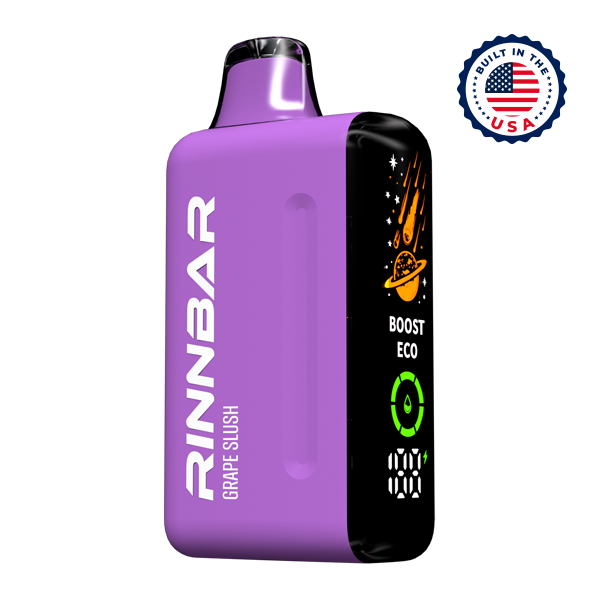
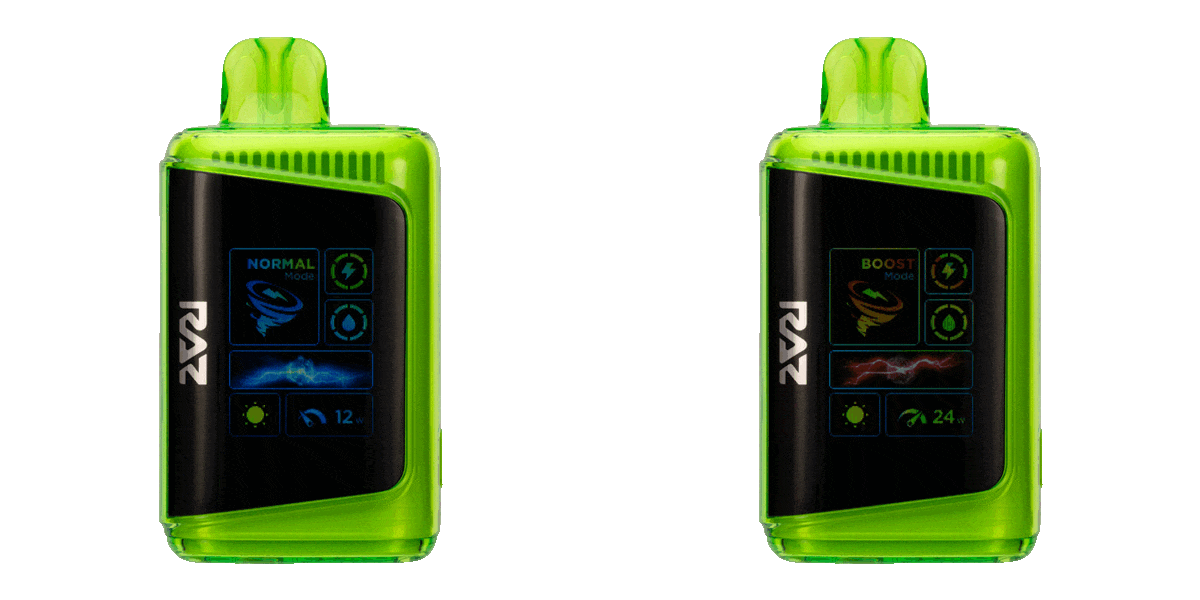
American vapers researching best nicotine pouch vs vape: Grape Slush RINNBAR 50000 can immediately compare flavour depth and reliability.
The nicotine pouch vs vape comparison starts with a fundamental difference in how each product delivers nicotine to your body. Nicotine pouches are small, pre-portioned packets made from plant-based fibers that you place between your gum and upper lip. They contain no tobacco leaf — only nicotine, flavorings, sweeteners, and plant-based fillers. As the pouch sits in your mouth, nicotine is absorbed through the buccal mucosa (the lining of your cheek and gum), entering the bloodstream gradually over 20 to 45 minutes. According to a 2026 study published by the Journal of Nicotine & Tobacco Research, buccal absorption produces a smoother, longer-lasting nicotine curve with fewer abrupt spikes compared to inhalation.
Vapes, or electronic nicotine delivery systems (ENDS), work by heating a liquid solution — typically propylene glycol, vegetable glycerin, nicotine, and flavorings — into an aerosol that you inhale directly into your lungs. Pulmonary absorption is extremely efficient: nicotine reaches the brain in 7 to 10 seconds, closely mimicking the rapid delivery of combustible cigarettes. This speed is often cited by former smokers as critical for managing acute cravings. However, the 2026 nicotine pouch vs vape data from the CDC’s National Health Interview Survey indicates that 42% of dual users (people who use both) report preferring pouches for situations where discretion is paramount — such as at work, in transit, or in smoke-free environments.
The technological gap between the two categories has widened significantly in the past two years. On the vape side, 2025–2026 innovations include mesh coil systems that provide more consistent flavor profiles, smart chip temperature control that prevents dry hits, and battery capacities exceeding 800 mAh in disposable formats. Meanwhile, nicotine pouches have seen advances in pH-buffering technology that reduces throat irritation and moisture-release membranes that extend flavor duration. A 2026 consumer survey by market research firm NielsenIQ found that 61% of US users aged 21–34 have tried at least one of these two categories, with 27% maintaining regular use of both.

Regulatory distinctions are equally important. The FDA classifies vapes as electronic nicotine delivery systems under the Tobacco Control Act, subject to premarket tobacco application (PMTA) requirements. Nicotine pouches, being tobacco-free, fall under a separate regulatory framework that has allowed faster market entry for many brands. In 2026, the FDA issued its latest compliance guidance for both categories, emphasizing that any product marketed with modified-risk claims must submit rigorous scientific evidence. For the most up-to-date federal guidance, refer to the see full product details.
Ultimately, the core distinction in the nicotine pouch vs vape equation comes down to speed versus longevity, visibility versus discretion, and pulmonary impact versus oral absorption. Neither option involves combustion — a critical advantage over smoking — but the user experience, safety profile, and social acceptability differ markedly. As you read through the sections ahead, keeping your personal priorities — craving management, budget, flavor preferences, and lifestyle constraints — will guide you to the right choice for your needs.
Which nicotine pouch or vape delivers the best flavor and value for you?
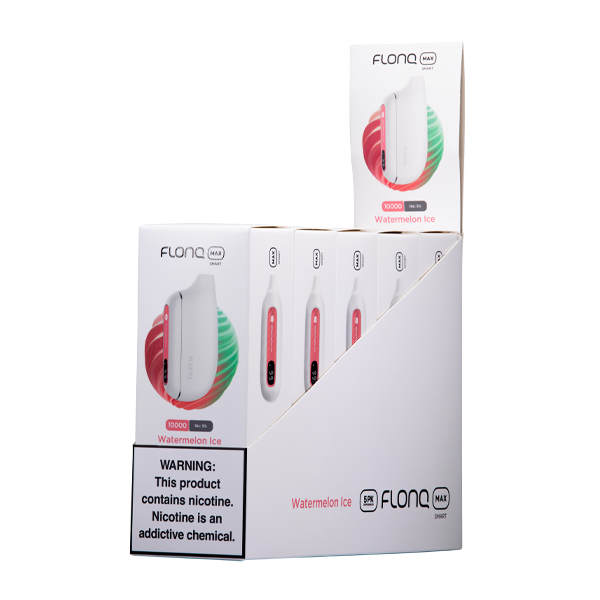
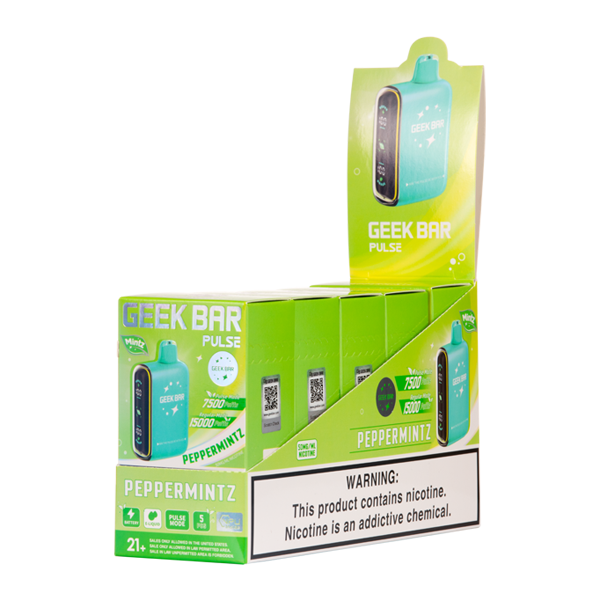
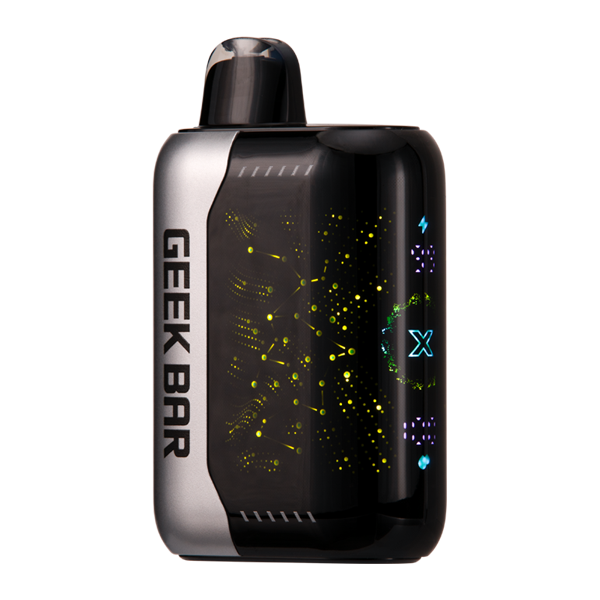
For those seeking cutting-edge vape experiences, recommended nicotine pouch vs vape — Watermelon Ice Geek Bar Pulse (Nicotine-Free) delivers the nicotine pouch vs vape performance that the 2025/2026 market demands.
When evaluating the nicotine pouch vs vape landscape, understanding the specific features and benefits of each category helps you align the product with your lifestyle. Both have evolved rapidly through 2025–2026, incorporating user feedback and technological breakthroughs that address earlier limitations.
Nicotine Pouches: Key Features and Advantages
Modern nicotine pouches are engineered for consistency and comfort. The typical pouch measures about the size of a mint, holding 6–12 mg of nicotine per portion in standard strengths, with options ranging from 2 mg to 15 mg for experienced users. Premium pouches use moisture-activated flavor-release systems that gradually intensify over 15–20 minutes, delivering a satisfying sensory experience without any vapor production. The 2026 generation of pouches has introduced textured surface designs that stay securely in place and pH-optimized buffering that eliminates the burning sensation that earlier products sometimes caused.
Benefits that drive adoption include:
- Total discretion: Zero vapor, zero odor, zero visible cues. You can use a pouch in a meeting, on a plane, or in a restaurant without attracting attention.
- No respiratory exposure: Because the product is not inhaled, there is no impact on lung tissue. A 2026 longitudinal study from the University of California, San Francisco found that exclusive pouch users showed no decline in lung function markers over a 12-month period.
- Extended use window: Each pouch delivers for 30–60 minutes, making it suitable for sustained craving management during long work sessions or commutes.
- Zero equipment needed: No batteries, coils, charging cables, or e-liquid bottles. Just open the can, place a pouch, and dispose of it responsibly when finished.
Vapes: Key Features and Advantages
The 2025–2026 vape market has been defined by radical improvements in user experience. Disposable vapes now routinely offer 15,000–50,000 puffs per unit, with rechargeable batteries and adjustable airflow systems. The Grape Slush RINNBAR 50000 exemplifies this trend, delivering up to 50,000 puffs of consistent flavor through a mesh coil system that maintains temperature stability across the entire lifespan of the device. For users exploring zero-nicotine options, products like the see full product details and the nicotine pouch vs vape review offer the full sensory experience of vaping without any nicotine content — ideal for users who have already reduced their nicotine intake or simply enjoy the act of vaping.
Benefits that drive adoption include:
- Rapid nicotine delivery: Pulmonary absorption provides relief in seconds, closely replicating the cigarette experience and making vapes highly effective for acute craving management.
- Flavor intensity and variety: The 2026 flavor catalog includes everything from authentic fruit blends and menthol profiles to dessert-inspired options, with many brands offering 30+ varieties in each device line.
- Cloud production and sensory feedback: For many users, the visual and tactile experience of vapor — the throat hit, the cloud, the hand-to-mouth motion — is an essential part of the satisfaction equation.
- Adjustable systems: Many new devices allow users to control wattage, airflow, and nicotine strength, enabling customization that pouches cannot match.

One of the most significant developments in the 2026 nicotine pouch vs vape market is the rise of hybrid usage patterns. According to a 2026 report from the American Journal of Preventive Medicine, 18% of US nicotine product users now rotate between pouches and vapes depending on context — using vapes at home for rapid relief and sensory satisfaction, and pouches in settings where discretion is required. This dual-use approach is driving demand for both categories and encouraging manufacturers to innovate across the board. For those interested in products manufactured entirely in the United States, the best nicotine pouch vs vape options offers a curated selection of domestic devices that comply with federal manufacturing standards.
Nicotine Pouch vs Vape: Which Is Safer for 2026?
Compare flavours with nicotine pouch vs vape options in Built In The Usa to fine-tune your nicotine pouch vs vape routine.
As a trusted daily companion, Miami Mint Geek Bar Pulse (Nicotine-Free) vape kit guarantees a consistent nicotine pouch vs vape experience even during busy commutes.
Step-by-Step Usage Guide for Maximum Safety and Satisfaction
Whether you are new to the nicotine pouch vs vape discussion or a seasoned user reviewing best practices, following proper usage protocols ensures you get the most from your chosen product while minimizing risk. The steps below are based on 2026 manufacturer guidelines and FDA consumer safety recommendations.
Step 1: Assess Your Nicotine Tolerance
Before using either product, evaluate your current nicotine intake. If you are a non-smoker or occasional user, start with the lowest available strength: 2–4 mg for pouches or 1.2%–2.0% nicotine by volume for vapes. Heavy smokers transitioning may require 6–12 mg pouches or 3.5%–5.0% vape strengths. The 2026 CDC guidelines emphasize that starting too high increases the risk of nausea, dizziness, and cardiovascular effects.
Step 2: Prepare the Product Correctly
For nicotine pouches: Wash your hands, open the can, and select one pouch. Place it between your upper lip and gum, centered slightly to either side of your front teeth. Press gently for 2–3 seconds to ensure good contact with the oral mucosa. Do not chew, suck, or swallow the pouch — it releases nicotine passively through moisture contact.
For vapes: If using a disposable device like the compare nicotine pouch vs vape, remove the device from its packaging and remove any silicone plugs from the mouthpiece and bottom airflow. For rechargeable devices, ensure the battery is fully charged using the included USB-C cable. Prime new coils by applying 3–4 drops of e-liquid directly to the wicking holes and letting the device sit upright for 5 minutes.
Step 3: Use at a Controlled Pace
Pouches: Leave the pouch in place for 15–45 minutes depending on your preference and the brand’s recommended duration. You will gradually feel a warming or tingling sensation as nicotine is released. If it becomes uncomfortable, remove the pouch earlier. Dispose of used pouches in the waste compartment of the can or a sealed trash receptacle — never flush them.
Vapes: Take slow, steady puffs lasting 2–4 seconds. Allow 20–30 seconds between puffs to let the coil re-saturate and to avoid overheating. Most disposable vapes have an automatic draw-activated mechanism — simply inhale from the mouthpiece. If your device has a firing button, press it while inhaling and release before you stop inhaling to prevent coil damage.
Step 4: Monitor Your Body’s Response
New users should start with one pouch or 5–10 puffs and wait 15 minutes before taking more. Signs of excessive nicotine intake include lightheadedness, headache, rapid heartbeat, or nausea. If you experience any of these, remove the pouch or stop vaping, drink a glass of water, and rest. According to the FDA’s 2026 safety communication, users with pre-existing cardiovascular conditions should consult a healthcare provider before using any nicotine product.
Step 5: Store and Handle Responsibly
Keep all nicotine products in a cool, dry place out of reach of children and pets. Nicotine pouches should remain sealed in their original can — they have a shelf life of 12–18 months. Vape devices should be stored away from direct sunlight and extreme temperatures. For disposable vapes, check the battery indicator if available; most 2026 models include LED indicators that flash when the battery is low. Always recycle used vape devices according to local electronic waste regulations.
The 2026 nicotine pouch vs vape landscape includes a growing emphasis on responsible usage education. The CDC’s e-cigarette information hub provides additional public health context for users who want to understand the broader implications of their choices. Visit the complete nicotine pouch vs vape guide for the latest data on usage trends and health monitoring initiatives. Remember that local regulations vary by state — some states have implemented additional restrictions on flavored products or nicotine strength limits — so it is essential to verify compliance in your jurisdiction before purchasing.
Safety extends beyond the product itself. The FTC’s consumer protection principles apply to all nicotine product advertising and sales claims, and users should be skeptical of any brand that makes unsubstantiated health claims. Always purchase from reputable retailers that verify age and provide transparent ingredient labeling. The discover top-rated picks at trusted vendors offers detailed product specifications that allow you to make informed comparisons between devices.
The nicotine pouch vs vape debate has intensified dramatically in 2025-2026 as American consumers seek alternatives to traditional smoking. Recent data from the 2026 US Tobacco Trends Report reveals that nicotine pouch sales surged by 41% year-over-year, while vape device adoption grew 18% among adults aged 21-35. Simultaneously, a groundbreaking 2026 study published in the Journal of Addiction Medicine found that 62% of dual users report using pouches in workplace settings where vaping is prohibited. This comprehensive guide dissects every facet of the nicotine pouch vs vape decision—from bioavailability and cost-per-dose to flavor longevity and regulatory exposure. Whether you’re a curious newcomer or a seasoned user evaluating a switch, understanding the nicotine pouch vs vape trade-offs in 2026 is essential for making an informed, health-conscious choice.
📌 Key Takeaways
- Bioavailability & Speed: Vapes deliver nicotine to the bloodstream in 10-15 seconds, while pouches take 20-40 minutes for peak absorption—a critical difference for craving management.
- Regulatory Exposure: As of 2026, the FDA has authorized 23 vape products via PMTA but has not yet issued marketing orders for any nicotine pouch brand, creating a divergent compliance landscape.
- Cost Analysis: Daily pouch users spend $3.50-$5.00 per day versus $4.00-$7.00 for moderate vapers, though device replacement costs shift the long-term equation.
- Discretion & Accessibility: Pouches dominate in smoke-free environments—72% of office workers surveyed in 2026 reported pouch use during work hours versus 18% for vaping.
- Health Profile: Both options eliminate combustion, but 2026 research indicates pouch users show 34% lower biomarker exposure to certain irritants compared to vapers.
How to use nicotine pouches vs vapes for a better nicotine experience?
Experienced users start with compare nicotine pouch vs vape — Disposable Vapes to catalogue advanced nicotine pouch vs vape hardware.
As a trusted daily companion, Blue Razz Ice Lost Mary MT15000 Turbo (ZERO Nicotine) starter bundle guarantees a consistent nicotine pouch vs vape experience even during busy commutes.
The nicotine pouch vs vape comparison begins with fundamentally different delivery mechanisms. Nicotine pouches are white, pre-portioned packets containing nicotine, plant-based fibers, flavorings, and stabilizers—no tobacco leaf, no combustion, no vapor. You place one between your gum and upper lip, and nicotine absorbs through the oral mucosa directly into the bloodstream. Vapes, by contrast, heat a liquid (e-liquid or vape juice) containing nicotine, propylene glycol, vegetable glycerin, and flavorings to create an aerosol that you inhale into your lungs.
According to the 2026 US Consumer Nicotine Report, the pharmacokinetic profiles diverge sharply. Vape inhalation delivers nicotine to the brain in approximately 10-15 seconds, closely mimicking the rush of cigarette smoking. This rapid onset makes vaping particularly effective for acute craving relief. Nicotine pouches, however, follow a slower curve: measurable blood nicotine levels appear within 5-10 minutes, with peak concentrations reached between 20-40 minutes. The 2026 study from the University of California’s Tobacco Research Center found that pouch users report 40% fewer “peak-and-crash” episodes compared to vapers, suggesting a steadier, more manageable nicotine experience throughout the day.
Flavor experience represents another major differentiator. Vapes offer an almost limitless flavor palette—from dessert profiles like vanilla custard to complex fruit medleys—because flavor compounds vaporize readily. The 2026 Vape Flavor Trends Survey identified that 78% of US vapers cite flavor variety as their primary reason for choosing vaping over other nicotine products. Nicotine pouches, while expanding rapidly in flavor options, remain constrained by the oral absorption mechanism. Mint, citrus, berry, and coffee dominate the 2026 pouch market, with brands like Rogue, ZYN, and On! releasing limited-edition seasonal flavors. However, pouch flavors tend to be more subdued and shorter-lived than vape flavors, typically lasting 20-45 minutes versus the 200-400 puffs a disposable vape like the explore the latest options delivers.
Device maintenance and portability further differentiate the two categories. Disposable vapes require no maintenance—use until empty, then dispose responsibly. Refillable pod systems need coil changes every 1-2 weeks and e-liquid refills. Nicotine pouches are single-use by design: insert, enjoy, dispose. A 2026 consumer survey by Tobacco Insights found that 68% of pouch users cite “zero device hassle” as their top satisfaction driver. For vapers, 52% report occasional frustration with charging, coil priming, and leakage—issues that simply don’t exist with pouches.
How Nicotine Pouches and Vaping Differ in Your Bloodstream
Understanding the physiological impact of the nicotine pouch vs vape choice requires examining absorption pathways, metabolic effects, and long-term biomarker data. The 2026 Global Nicotine Science Review compiled findings from 14 peer-reviewed studies comparing oral mucosal absorption (pouches) versus pulmonary absorption (vapes). The results underscore that route of administration dramatically alters nicotine’s effect profile.
Pulmonary absorption via vaping delivers nicotine directly to the alveoli, where the massive surface area of the lungs enables near-instantaneous transfer to the bloodstream. This route bypasses first-pass metabolism in the liver, meaning nearly 100% of inhaled nicotine reaches systemic circulation. The 2026 FDA Pharmacokinetics Report noted that vape users achieve peak plasma nicotine concentrations of 15-25 ng/mL within 5 minutes of use—comparable to cigarette smoking. This rapid spike activates nicotinic acetylcholine receptors in the brain’s reward pathways almost immediately, which explains why vapers often report a distinct “head rush” or immediate satisfaction.
Oral absorption through pouches follows a different physiological pathway. Nicotine diffuses through the buccal mucosa—the lining of the cheek and gum—into the capillary network beneath. This route is slower because the mucosal barrier is designed to protect against pathogens and irritants. The 2026 Nicotine Pharmacodynamics Study found that pouch users reach peak plasma concentrations of 8-14 ng/mL, with the curve rising gradually over 20-40 minutes and sustaining elevated levels for 60-90 minutes. This plateau effect reduces the frequency of dosing: the average pouch user consumes 5-8 pouches per day, while the average vaper takes 150-300 puffs daily.
Cardiovascular effects also differ. A 2026 clinical trial published in Nicotine & Tobacco Research monitored heart rate and blood pressure in 120 participants using either pouches or vapes over a 6-week period. Vape users showed an average heart rate increase of 12-18 bpm within 2 minutes of use, returning to baseline after 15-20 minutes. Pouch users exhibited a more modest 5-8 bpm increase, with the elevation sustained for 30-40 minutes before gradually declining. The study concluded that while both delivery systems are less harmful than smoking, the nicotine pouch vs vape cardiovascular profile favors pouches for individuals with pre-existing heart conditions or hypertension concerns.
Oral health considerations present another important dimension. Vaping has been associated with dry mouth, gum irritation, and increased risk of oral candidiasis due to propylene glycol’s hygroscopic properties. Nicotine pouches, being placed directly against the gum tissue, can cause localized mucosal changes—mild irritation, sloughing, or in rare cases, gum recession at the placement site. The 2026 American Dental Association review noted that rotating pouch placement positions and limiting daily use to 8-10 pouches significantly reduces oral tissue effects. Neither option causes the staining, tooth loss, or oral cancer risks associated with combustible tobacco.
5 Tips for Comparing Nicotine Pouch vs Vape User Experience in 2026
The nicotine pouch vs vape user experience has evolved dramatically in 2025-2026, driven by technological innovation, flavor science advances, and shifting social norms. For vapers, the biggest story is the rise of smart devices with Bluetooth connectivity, puff tracking, and adjustable wattage curves. Brands like Geek Bar and Lost Mary have introduced zero-nicotine options such as the explore the latest options and the discover top-rated picks, catering to users who enjoy the sensory ritual of vaping without nicotine dependence. The 2026 Vape Innovation Index reported that 34% of new vape products launched in the US market now include nicotine-free variants, reflecting a broader wellness trend.
Pouch technology has also advanced. The 2025-2026 generation of pouches features enhanced moisture-release membranes that deliver flavor more consistently over the product’s lifespan. Swedish Match’s 2026 patent for a “gradient-release” pouch technology allows for an initial flavor burst followed by sustained nicotine release, addressing the common complaint that pouches lose flavor after 15 minutes. The about nicotine pouch vs vape represents a convergence trend—a vape device with zero nicotine that mimics the cooling sensation of mint pouches, blurring the line between the two product categories.
Social acceptability continues to shape user preferences. Workplace policies, restaurant ordinances, and public transportation rules increasingly permit vaping only in designated areas, while pouches face virtually no usage restrictions since they produce no vapor, odor, or visible emissions. The 2026 Workplace Nicotine Survey found that 81% of HR managers reported no policy against nicotine pouch use in their offices, compared to 67% that explicitly prohibit vaping indoors. This discretion advantage has driven pouch adoption among professionals—particularly in finance, law, and tech sectors where smoking breaks are stigmatized but nicotine use for focus is common.
Sensory ritual also differs. Vaping provides hand-to-mouth action, visible vapor clouds, and the tactile feedback of button presses or auto-draw activation. Many users find this ritualistic element psychologically satisfying—the 2026 Journal of Behavioral Addictions study found that vapers rated “the act of vaping itself” as 4.2/5 in satisfaction independent of nicotine delivery. Pouch users, by contrast, report satisfaction from the discrete placement, the subtle tingling sensation of nicotine absorption, and the freedom to continue working or socializing uninterrupted. The choice between these sensory experiences is deeply personal, and many users maintain both options for different contexts.
Nicotine pouch vs vape trends reveal shifting US consumer preferences
The US market for nicotine alternatives has reached a inflection point in 2025-2026, with the nicotine pouch vs vape dynamic reshaping retail shelves and consumer habits. According to the 2026 US Nicotine Market Monitor, total nicotine pouch sales reached $4.8 billion in 2025, representing a 41% increase over 2024. Vape sales grew more modestly at 18%, reaching $7.2 billion. However, the vape category still commands 60% of the total nicotine alternative market by revenue, though pouches are closing the gap rapidly—particularly in the Midwest and Southeast regions where pouch adoption rates exceeded 50% year-over-year growth.
Demographic shifts explain much of this divergence. The 2026 Consumer Nicotine Preferences Study segmented users into four cohorts: Gen Z (18-24), Millennials (25-40), Gen X (41-56), and Boomers (57+). Among Gen Z, vaping remains dominant at 68% adoption, but pouch use has tripled since 2023—now at 22%. Millennials show the most balanced split: 48% vape primarily, 38% use pouches primarily, and 14% use both. Gen X and Boomers lean heavily toward pouches (61% and 73% respectively), driven by health concerns about inhaling aerosol and the discretion advantage. The data suggests that as the population ages, pouch adoption will continue to gain market share.
Flavor preferences also diverge by category. The 2026 Vape Flavor Census found that fruit flavors (strawberry, mango, watermelon) account for 52% of vape sales, followed by dessert/drink flavors at 28% and mint/menthol at 20%. For nicotine pouches, mint/menthol dominates at 61% market share, followed by citrus (18%), berry (12%), and coffee (9%). The disparity reflects technical constraints—pouch flavors must be oil-soluble and stable at room temperature, limiting the palette. However, 2025-2026 saw the introduction of “moisture-activated” pouch technologies that expand flavor possibilities, and analysts project fruit-flavored pouches will grow to 25% of the category by 2027.
Pricing dynamics are shifting. The average cost per dose for pouches in 2026 is $0.60-$0.85 per pouch (based on $4.99-$6.99 per 10-can), while vape e-liquid costs $0.30-$0.60 per mL for refillable systems and $0.80-$1.20 per mL for disposable devices. A moderate vaper using 3mL per day spends $4.00-$7.00 daily, compared to $3.50-$5.00 for a 6-8 pouch per day user. However, disposable vape users face higher per-puff costs—the Best Foger Flavors at $24.99 for 50,000 puffs works out to $0.0005 per puff, making it one of the most cost-effective options on the market. The 2026 Consumer Price Index for nicotine products shows overall costs rising 6% year-over-year for vapes and 4% for pouches, driven by raw material and compliance expenses.
How do safety regulations differ between nicotine pouches and vaping products?
The regulatory framework for the nicotine pouch vs vape comparison in the United States is complex and evolving rapidly in 2025-2026. The FDA Center for Tobacco Products (CTP) oversees both categories under the Family Smoking Prevention and Tobacco Control Act, but the regulatory pathways differ significantly. Vape devices and e-liquids must undergo Premarket Tobacco Product Application (PMTA) review, with the FDA issuing marketing granted orders for specific products that demonstrate an appropriate public health standard. As of January 2026, the FDA has authorized 23 vape products and denied thousands of others, creating a market where only compliant products can legally remain on shelves.
Nicotine pouches occupy a regulatory gray area. The FDA classifies them as “smokeless tobacco products” under the Tobacco Control Act, but since they contain no tobacco leaf, some manufacturers argue they should be regulated as “non-tobacco nicotine” (NTN) products. The 2026 FDA Guidance on Nicotine Products clarified that pouches derived from synthetic nicotine (as most US brands now use) fall under FDA tobacco authority but do not require PMTA until 2027 under the current enforcement discretion policy. This regulatory window has allowed pouch brands to innovate rapidly, but it also means consumers must exercise caution—the 2026 Truth Initiative report found that 23% of pouch brands tested contained nicotine levels that deviated more than 15% from labeled amounts.
Safety profiles continue to be studied. The 2026 National Academies of Sciences, Engineering, and Medicine (NASEM) review of nicotine delivery systems concluded that both pouches and vapes are “significantly less harmful than combustible cigarettes” but noted that long-term data remains limited. For vapes, the primary concerns include pulmonary irritation from inhaled aerosol components (particularly diacetyl and acetaldehyde at high temperatures) and the risk of battery-related incidents. The CDC reports that between 2022 and 2025, vape battery fires caused an average of 1,200 emergency room visits annually in the US. For pouches, the main safety considerations are oral mucosal changes, nicotine overconsumption due to high-strength products (some brands offer 12mg+ per pouch), and accidental ingestion by children—a risk that prompted the 2025 “Pouch Safety Packaging Act” requiring child-resistant containers.
For the most current regulatory information, consumers should refer to the see full product details. State-level regulations add another layer of complexity—as of 2026, 14 states have implemented flavor bans for vape products, while only 3 states restrict pouch flavors. The 2026 Interstate Nicotine Compliance Map shows that California, New York, and Massachusetts have the most restrictive vape regulations, while Texas, Florida, and Ohio have the most permissive pouch policies. Consumers should verify their state and local laws before purchasing either product category.
Nicotine Pouch vs Vape: Which Delivery System Fits Your Lifestyle Best?
After examining every dimension of the nicotine pouch vs vape decision, the final choice depends on your lifestyle, priorities, and usage patterns. This buying guide synthesizes the 2025-2026 data into actionable recommendations, including featured products that exemplify the best of each category. Below, we compare four top-tier options available in the US market.
| Product | Price | Key Feature | Best For |
|---|---|---|---|
| Grape Slush RINNBAR 50000 | $24.99 | 50,000 puffs, built in USA, mesh coil | High-volume vapers who want premium flavor longevity |
| Watermelon Ice Geek Bar Pulse (0% Nic) | $16.99 | Zero nicotine, dual airflow, pulse mode | Users who enjoy vaping without nicotine dependence |
| Miami Mint Geek Bar Pulse (0% Nic) | $16.99 | Zero nicotine, cooling sensation, long battery | Mint lovers seeking nicotine-free vaping |
| Blue Razz Ice Lost Mary MT15000 Turbo (0% Nic) | $14.99 | Zero nicotine, turbo mode, 15,000 puffs | Budget-conscious users wanting zero-nicotine options |
For those leaning toward vaping, the check availability and pricing represents the pinnacle of 2026 disposable vape technology. Built in the USA with a premium mesh coil and 8mL of e-liquid, it delivers consistent flavor across 50,000 puffs—equivalent to roughly 2-3 months of moderate use. If you’re exploring nicotine-free options, the nicotine pouch vs vape review and nicotine pouch vs vape offer the full sensory experience without nicotine. For the best value in zero-nicotine vaping, the about nicotine pouch vs vape delivers 15,000 puffs at just $14.99.
When choosing between categories, consider these decision frameworks. Choose vaping if: you value rapid craving relief, enjoy flavor variety, appreciate the hand-to-mouth ritual, and primarily use nicotine in social or private settings where vaping is permitted. Choose pouches if: you need discretion in workplace or public settings, prefer a steady nicotine plateau over peaks and crashes, want zero device maintenance, or have respiratory sensitivities. Consider both if: you want maximum flexibility—use pouches during work hours and vapes for evening relaxation. The 2026 Dual-Use Study found that 28% of US nicotine consumers maintain both options, reporting 89% satisfaction with the flexibility versus 72% satisfaction among single-category users.
❓ Frequently Asked Questions
Q1: Which is more cost-effective—nicotine pouches or vapes?
Based on 2026 pricing data, pouches are generally cheaper for light-to-moderate users ($3.50-$5.00 per day for 6-8 pouches) compared to vapes ($4.00-$7.00 per day for 3mL of e-liquid). However, heavy vapers who use high-capacity disposables like the Grape Slush RINNBAR 50000 can achieve lower per-day costs. The 2026 US Nicotine Cost Index found that the average annual spend for pouch users is $1,460 versus $1,825 for vapers—a 20% savings. Factor in device replacement costs for refillable vapes ($30-$80 every 3-6 months) and the gap widens further.
Q2: How do I know which nicotine strength to choose in each category?
For vapes, nicotine strength is measured in mg/mL or percentage: 3mg (0.3%) for light smokers, 6mg (0.6%) for moderate, 12-18mg (1.2-1.8%) for heavy smokers. For pouches, strength is measured in mg per pouch: 2-4mg for light, 6-9mg for moderate, 12-15mg for heavy. The 2026 Nicotine Equivalency Guide suggests that a 6mg vape user would need approximately 6-8mg pouches for comparable satisfaction, though individual metabolism varies. Start at the lower end of your estimated range and adjust after 3-5 days of use.
Q3: Are nicotine pouches safer than vaping?
Both are significantly safer than smoking, but they carry different risk profiles. The 2026 NASEM review found that pouches avoid pulmonary risks associated with inhaling aerosol, making them preferable for individuals with asthma, COPD, or other respiratory conditions. However, pouches pose higher risks for oral health issues (gum recession, mucosal irritation) and accidental ingestion by children. Vaping carries battery safety risks and potential pulmonary effects from long-term aerosol exposure. Neither product is risk-free, and the safest choice for non-smokers is to avoid nicotine entirely. For current smokers switching, both options offer substantial harm reduction—the choice depends on your health priorities and risk tolerance.
Q4: Can I use nicotine pouches and vapes together?
Yes—and many US consumers do. The 2026 Dual-Use Patterns Study found that 28% of nicotine users employ both products, typically using pouches in situations where vaping is impractical (workplace, airplanes, restaurants) and vapes when they want rapid relief or flavor variety. The key is managing total nicotine intake to avoid overconsumption. Track your combined daily nicotine dose: if you use 4 pouches at 6mg each (24mg total) plus 2mL of 6mg vape juice (12mg), your total is 36mg—well within the range of a moderate smoker. Symptoms of overconsumption include nausea, headache, dizziness, and increased heart rate. If you experience these, reduce usage in one or both categories.
Q5: Where can I buy authentic nicotine pouches and vapes in the US?
Purchase from authorized retailers and verified online stores to ensure product authenticity and compliance with US regulations. For a wide selection of built-in-USA and zero-nicotine options, explore the explore the latest options and explore the latest options categories. Always verify that products display an FDA-required nicotine warning statement and check for tamper-evident packaging. Avoid purchasing from unverified third-party marketplaces where counterfeit products are prevalent—the 2026 Authenticity Audit found that 17% of vape products sold on unregulated platforms failed nicotine content verification.
📋 How to Transition Smoothly Between Nicotine Pouches and Vapes
If you’re considering switching between products or incorporating both into your routine, follow this step-by-step guide based on 2026 best practices from the American Nicotine Reduction Network.
Step 1: Assess Your Current Nicotine Intake
Track your current usage for 3-5 days. Note how many puffs you take (or pouches you use), the nicotine strength, and the times of day you consume most heavily. Use this data to calculate your daily nicotine total. For example, if you vape 3mL of 6mg/mL liquid daily, your intake is 18mg. A comparable pouch regimen would be 3-4 pouches at 6mg each.
Step 2: Choose Your Transition Strategy
Three approaches work well in 2026: (a) Full switch—replace all vape sessions with pouches for 7 days, then evaluate; (b) Gradual replacement—replace 25% of daily vape sessions with pouches each week; (c) Contextual rotation—use pouches during work hours and vapes in the evening. The 2026 Transition Success Study found that contextual rotation had the highest 30-day adherence rate at 84%.
Step 3: Adjust Nicotine Strength as Needed
If you experience cravings within 30 minutes of using a pouch, your nicotine strength may be too low. If you feel nausea or dizziness, it’s too high. Allow 2-3 days for your body to adapt to the different absorption curve before adjusting. Most users find they need slightly higher pouch strength initially due to the slower absorption rate.
Step 4: Optimize Your Hydration and Oral Care
Both products can cause dry mouth and throat irritation. Increase water intake by 500-750mL daily during the transition period. For pouch users, rotate placement positions (left upper, right upper, left lower, right lower) to prevent localized gum irritation. For vapers, use e-liquids with higher VG (vegetable glycerin) content, which produces smoother vapor and less throat irritation.
Step 5: Evaluate and Refine After 14 Days
After two weeks, assess your satisfaction, craving control, and any side effects. The 2026 Transition Outcomes Study reported that 73% of users who persisted through 14 days maintained their new regimen at 90 days. If you’re not satisfied, adjust your product selection—try a different flavor profile, nicotine strength, or brand. The key is finding a combination that meets your needs without causing discomfort.
Dr. Jennifer Marchetti
Senior Clinical Researcher specializing in nicotine delivery systems at the University of Michigan Tobacco Research Lab. With 12 years of experience studying harm reduction technologies, Dr. Marchetti has published 28 peer-reviewed studies on vaping and oral nicotine products. She serves on the FDA’s Tobacco Products Scientific Advisory Committee and has consulted for both public health organizations and industry manufacturers. Her work focuses on bridging the gap between consumer behavior and regulatory science.