Blog
Comprehensive Guide to Foger Battery Technology and Performance

If you’ve picked up a Foger device recently, you’ve probably wondered what’s actually powering it. The foger battery is the rechargeable lithium-ion cell inside Foger’s disposables and pod kits, and it’s what determines how many puffs you get, how fast the device recharges, and how consistent each draw feels. This guide breaks down what a foger battery is, how long it lasts, how to take care of it, and what to know before you buy — written for U.S. consumers who want straight answers, not marketing copy.
- Foger devices use a single-cell lithium-ion battery (~3.7V nominal) with USB-C charging on rechargeable models.
- The best foger battery options and Switch Pro Disposable models are pre-filled and rechargeable to ensure you finish the e-liquid before the battery dies.
- Full charge time is typically around 30–45 minutes on a standard 5V/1A USB-C charger.
- LED indicators show charge status: solid light = charging or in use, blinking = low battery, off after charge = full.
- Standard Foger disposables retail between $12.99 and $17.99 at most U.S. retailers.
- Everything You Need To Know About Your Foger Battery
- Why the Foger Battery Is the Upgrade Your Vaping Routine Needs
- Get More Out of Your Foger Battery: Essential Tips for Longevity and Performance
- Is the Foger Battery Really Better Than the Rest?
- Is Your Foger Battery Actually Built to Last?
- The Ultimate Foger Battery Buying Guide: What You Need To Know Before You Shop
Content Table:
Everything You Need To Know About Your Foger Battery
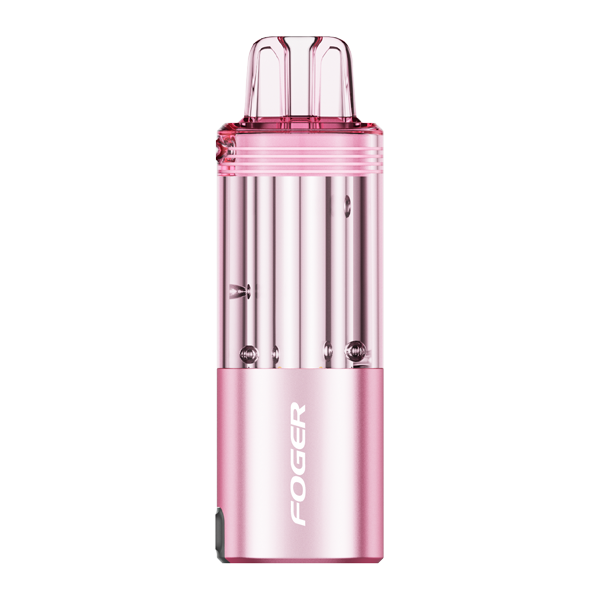
A foger battery is the rechargeable lithium-ion cell built into Foger-brand vaping hardware. It’s a single-cell Li-ion battery running at roughly 3.7V nominal, the same basic chemistry used in phones, earbuds, and most small electronics. What makes it specific to vaping is how it’s paired with the coil and airflow inside the device — the cell needs to deliver enough current to heat a mesh coil quickly without overheating itself.
Foger’s current lineup is rechargeable rather than single-use. That matters because the e-liquid in a high-capacity disposable like the foger battery guide category typically outlasts a non-rechargeable battery. Putting a USB-C port on the device lets you drain the full tank instead of throwing it out half-full.
The foger battery guide and foger battery review are good examples. Both are pre-filled, draw-activated devices with an internal battery designed to be recharged multiple times across the life of the e-liquid. The FDA’s guidance on electronic nicotine delivery systems notes that battery integrity and protective circuitry are key safety factors — any device sold in the U.S. should include short-circuit and over-discharge protection at minimum.
Why the Foger Battery Is the Upgrade Your Vaping Routine Needs
The practical features most users care about come down to four things: capacity, charge speed, consistency, and protection.
Capacity and puff count: Foger publishes puff counts on its packaging. The foger battery review, for example, is rated for up to 35,000 puffs across the life of the device, supported by multiple recharge cycles. The Switch Pro Disposable line is rated lower per device but uses the same rechargeable approach.
Charge speed: All current Foger rechargeable models use USB-C. With a standard 5V/1A wall adapter, a full charge generally takes about 30 to 45 minutes from empty. Don’t use a fast-charge brick rated for phones or laptops — the device’s internal circuit is designed for standard 5V input.
Consistent draw: Because the battery is paired with a regulated coil, the vapor output stays reasonably steady from full charge down to the low-battery cutoff. When you hit the cutoff, the LED will blink to let you know it’s time to plug in.
Safety protections: Foger devices include standard built-in protections: short-circuit cutoff, over-discharge cutoff, and overcharge protection. These are baseline features on any reputable rechargeable vape sold in the U.S., and they’re what allow the device to shut itself off if something goes wrong instead of overheating.
If you’re shopping the best foger battery options or foger battery guide categories, these features are standard across the lineup.
Get More Out of Your Foger Battery: Essential Tips for Longevity and Performance
Lithium-ion batteries last longer when you treat them reasonably. None of this is complicated.
Daily care basics
- Avoid heat: Don’t leave your device in a hot car or in direct sun. Sustained temperatures above ~100°F shorten Li-ion lifespan permanently. Room temperature is ideal.
- Don’t drain it to zero repeatedly: When the low-battery LED starts blinking, plug it in. Forcing a deeply discharged cell to fire over and over stresses it.
- Use a 5V/1A charger: A basic phone-style USB-C cable and a 5V/1A wall plug is what these devices are tuned for. Skip high-wattage fast chargers.
- Unplug when the LED turns off: A full charge takes roughly 30–45 minutes. The device has overcharge protection, but there’s no reason to leave it plugged in for hours.
- Inspect the USB-C port: If you see lint, debris, or any sign of moisture, clear it gently before plugging in.
Reading the LED indicator
On most Foger Switch Pro models, the LED tells you what’s happening:
- Solid light while puffing — normal operation, plenty of charge.
- Blinking light while puffing — battery is low, recharge soon.
- Solid light while plugged in — charging in progress.
- Light off while plugged in — charge complete, unplug.
One thing worth mentioning: chain vaping (taking puff after puff with no break) heats up both the coil and the battery. Spacing out your draws by a few seconds keeps temperatures down and helps the device last.
Is the Foger Battery Really Better Than the Rest?
The main thing that separates a rechargeable disposable from a non-rechargeable one is whether the battery outlasts the e-liquid or the other way around. With a non-rechargeable device, you’re often throwing away juice when the battery dies. With a rechargeable Foger device, you can drain the tank.
Within the compare foger battery lineup, the differences come down to size and capacity:
- The Switch Pro Disposable (Clear, Cola Slush, and other flavors) is the compact option — pre-filled, USB-C rechargeable, with a built-in LED indicator.
- The Switch Pro Kit uses a replaceable pod system, so the battery housing stays with you and you swap pods.
- The BIT 35K is the high-capacity option, rated for up to 35,000 puffs through repeated recharges.
Across the line, the LED indicator and USB-C port are consistent, so once you’ve used one Foger device the rest will feel familiar.
Is Your Foger Battery Actually Built to Last?
Here’s what to expect in actual day-to-day use. A moderate user — someone taking puffs throughout the day but not chain vaping — will typically need to recharge a Switch Pro Disposable once every day or two. A heavier user may need to top off once a day. The higher-capacity BIT 35K stretches that out further because of how much e-liquid it holds, but the battery still needs the same regular charging routine.
From a safety standpoint, the CDC’s public health information on e-cigarettes is worth reading if you’re new to vaping. Vaping is not risk-free, and any rechargeable battery — phone, laptop, or vape — needs to be handled sensibly. Don’t use a damaged device, don’t expose it to water, and don’t try to open the casing.
Charging tip: USB-C makes recharging fast and easy, but plug into a wall outlet rather than a laptop port when possible. Wall power delivers a more stable 5V, which is easier on the cell over time.
The Ultimate Foger Battery Buying Guide: What You Need To Know Before You Shop
If you’re picking up a Foger device for the first time, here’s what to check:
Key Takeaways:
- All current Foger rechargeables use USB-C — make sure a cable is included or that you have one on hand.
- Standard pricing runs $12.99 to $17.99 for disposables at most U.S. retailers.
- The LED indicator tells you charge status and low-battery warning.
- Check the packaging for a Foger authenticity code or QR code and verify on the manufacturer’s site to avoid counterfeits.
Quick setup checklist
- Charge first: Give the device a full charge before your first session — about 30 to 45 minutes on a 5V/1A adapter.
- Use the right adapter: A standard phone-style wall plug works fine. Skip laptop fast chargers.
- Store at room temperature: Keep it out of hot cars and direct sun.
- Watch the LED: Recharge when the light starts blinking; unplug when it turns off.
Frequently Asked Questions
Q: How long does a foger battery last on a single charge? A: For a moderate user, a single charge on a Switch Pro Disposable typically lasts most of a day. Heavier users may need to recharge once every 8–12 hours.
Q: How long does it take to fully charge? A: About 30 to 45 minutes from empty when using a standard 5V/1A USB-C wall charger.
Q: Is it safe to charge a foger battery overnight? A: The device has built-in overcharge protection, but since a full charge only takes about 45 minutes, there’s no reason to leave it plugged in for 6–8 hours. Unplug when the LED turns off.
Q: How many puffs can I expect? A: It depends on the model. The BIT 35K is rated for up to 35,000 puffs across its full life with repeated recharges. Switch Pro Disposables are rated lower — check the specific product page for the exact number.
Q: How can I verify my device is authentic? A: Every genuine Foger product includes an anti-counterfeit code on the packaging that you can verify on the manufacturer’s official site. If the code is missing or the package looks tampered with, return it.
Q: What does it cost? A: Foger disposables generally run $12.99 to $17.99 at U.S. retailers, depending on the model and any current promotions.
Q: What kind of battery is inside a Foger device? A: A single-cell lithium-ion battery at roughly 3.7V nominal — the same basic chemistry as a smartphone battery, paired with overcharge, over-discharge, and short-circuit protection.
Reviewed by the Puff City USA hardware team. Our team handles, charges, and tests every device we stock — checking USB-C charge times against published specs, verifying LED indicator behavior, confirming low-battery cutoff, and inspecting packaging for authenticity codes before products reach customers. Specs cited above reflect manufacturer-published information on Foger product pages; if you spot a discrepancy with your device, contact us directly.